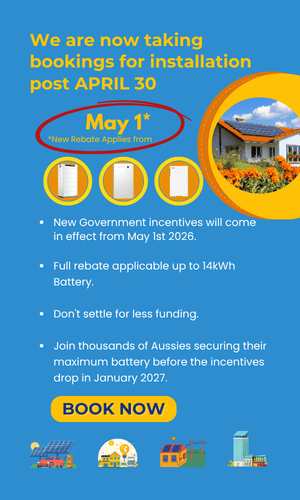
Quick Update on the April 30 Battery Rebate:
Thanks to massive local demand, the Opera Solar team is fully booked for the rest of April. This means any new battery orders will be installed from May onwards, and will fall under the new rebate rates starting May 1.
While the maximum April rebate has passed, the May rebate is still a great way to save on your battery. Please reach out today to secure your spot in our May schedule before those dates book out too.
A solar inverter is the absolute heart of your renewable energy system. While the solar panels on your roof collect raw Direct Current (DC) energy from the sun, your home appliances and the street grid strictly run on Alternating Current (AC). The inverter works tirelessly to convert that raw power into safe, usable electricity in real time. For Sydney homeowners comparing quotes, choosing the right processing hardware dictates how efficiently your system runs, how well you can monitor your usage, and how quickly the system pays for itself.
Top 5 Solar Inverter Platforms for 2026:
When you start requesting solar quotes, the focus is almost always on the panels. Homeowners want to know the brand, the wattage, and how they look on the roof. However, the inverter is where the actual heavy lifting happens. Buying premium panels and pairing them with a cheap, unreliable inverter is like dropping a lawnmower engine into a sports car. It completely ruins the performance.
To find the Best Solar Inverters Sydney has to offer, you first need to understand the three main types of technology available on the market today.
The debate between a string inverter vs micro inverter setup usually comes down to two simple factors: the shape of your roof and the size of your budget. Here is exactly how the two technologies compare.
The Standard String Inverter
How it works: A single centralized box mounted on the wall next to your switchboard. All your solar panels are wired together in a “string” and send their combined power down to this one unit.
The financial advantage: It is the most cost effective and highly reliable way to go. It offers brilliant conversion efficiency without overcomplicating the installation process.
Best suited for: Clean, completely unshaded tin or tile roofs where all the panels face the same direction (such as true North).
The Premium Micro Inverter
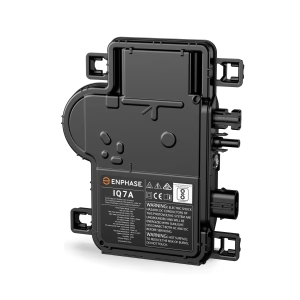
How it works: Instead of one big box on the wall, an Enphase microinverters Sydney installation places a miniature processing unit directly underneath every single panel on your roof.
The financial advantage: Absolute panel level optimisation. Imagine a large gum tree casts a shadow over two of your panels at 2:00 PM. On a standard string system, that shadow restricts the power flow for the entire string. With Enphase, the rest of the unshaded panels ignore the shadow and keep pumping out 100 percent maximum power.
Best suited for: Complex roofs facing multiple directions, properties with heavy shading issues, and buyers who do not mind a higher upfront cost to secure absolute maximum daily yield.
Everyone wants a home battery, but not everyone wants to pay for one on day one. This is exactly why a hybrid solar inverter Australia package is the smartest middle ground.
A standard solar inverter only converts power for immediate household use or exports it to the grid. It physically cannot manage a chemical storage battery. A hybrid inverter fixes this by including a dedicated battery management computer right inside the box. By installing a battery ready solar inverter today, you are completely future proofing your home. When battery prices inevitably drop, or when you finally decide to buy an electric vehicle, you simply plug the new battery straight into your existing GoodWe or Fronius hybrid unit. This avoids the massive expense of ripping out your old hardware just to upgrade your system.
Solar quotes are absolutely full of electrical jargon. Let us strip away the technical confusion and explain the only two concepts that actually dictate which hardware you need to buy.
When you are weighing up a single-phase vs a three-phase solar setup, you are simply matching the inverter to the main power cable connecting your house to the street. Here is how to identify exactly what your property requires.
Single Phase Connections
Three Phase Connections
Hardware requirements: You absolutely need a dedicated three phase inverter, such as the Sungrow RT three phase unit. This specific hardware pushes your solar power evenly across all three wires. This stops your sensitive electronics from tripping and keeps your local network provider completely happy.
When an installer starts talking about MPPTs, they are referring to a Maximum Power Point Tracker. Think of an MPPT as an independent brain inside the inverter.
If you have a simple roof where all the panels face the exact same direction, one MPPT can easily manage the job. But what if you want half your panels facing North for midday sun, and the other half facing West to catch the late afternoon rays? You cannot plug both groups into the same tracker, because the shaded morning West panels will drag down the performance of the sunny North panels. You need an inverter with at least two MPPTs so it can manage the two different roof areas completely independently. When we ask what an MPPT solar setup is designed for, the answer is maximum flexibility across difficult roof shapes.
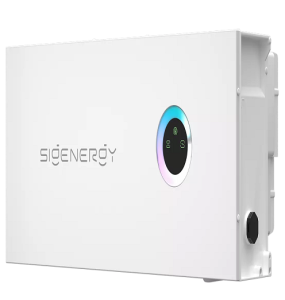
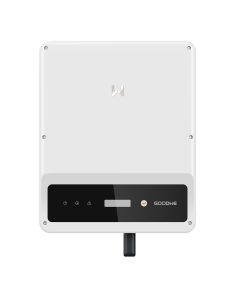
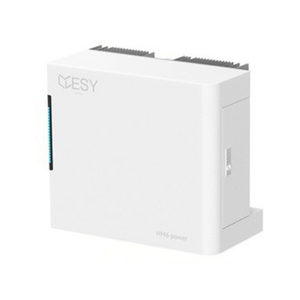
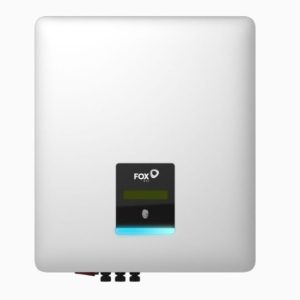
You do not need to research fifty different brands to find the best solar inverter 2026 has to offer. The Australian market is currently dominated by five specific manufacturers that have proven they can survive our brutal climate while delivering incredible financial returns.


You can buy the most expensive Fronius or Enphase hardware in the world, but if the installation is rushed by an inexperienced electrician, the system will eventually fail. You need an installation partner that values long term reliability over a quick sale.
When you choose Opera Solar, your investment is protected by our strict engineering standards:
Our Elite Installation Team: We deploy highly trained, Clean Energy Council accredited electricians who treat your property with absolute respect. Every system is built to our exact engineering specifications by professionals who completely refuse to cut corners.
Over 8 Years of Proven Stability: We are not a pop up company. For more than eight years, we have built a flawless reputation for clean, safe, and highly rigorous solar engineering across the competitive Sydney market.
Grid Connected Specialists: We specialise strictly in high yield residential solar and hybrid battery architectures designed to slash your suburban energy bills. We ensure your system is perfectly optimised to interact seamlessly with your local street network.
Complete Grid Management: We personally secure your specific grid connection agreements with your local network provider, ensuring your new inverter is legally compliant and ready to safely export power from day one.
Zero Paperwork For You: We handle all the complex local council approvals behind the scenes so you do not have to stress over red tape.
Guaranteed Rebate Processing: We manage your entire federal Small scale Technology Certificate claim from start to finish. We ensure your massive upfront 2026 discount is locked in and applied directly to your invoice without you having to lift a single finger.
If your two story roof is clean, unshaded, and faces a single direction like North or East, a standard string inverter is the absolute best financial choice. It is highly efficient and much cheaper to install. You only need microinverters if your roof is chopped up into multiple small sections, or if you have a massive tree throwing shadows across the tiles every afternoon.
By law, all standard grid connected inverters must instantly shut down during a blackout. This is an anti islanding safety feature designed to stop your solar panels from pushing live electricity back into the broken street wires and injuring the repair crews. If you want your lights to stay on during a blackout, you must upgrade to a hybrid inverter paired with a home battery.
No, it is not strictly mandatory. If you install a highly affordable Sungrow RS series today, you can easily add an AC coupled battery like the Tesla Powerwall down the track. The Tesla has its own inverter built inside. However, if you want to use cheaper, DC coupled battery stacks in the future, paying a little extra for a GoodWe hybrid inverter today will save you thousands of dollars in upgrade costs later.
This is called inverter overclocking, and it is a brilliant engineering trick. By putting more panel capacity on a smaller inverter, the system wakes up earlier in the morning and hits maximum output much faster. Yes, a tiny bit of peak midday power is clipped and lost, but the system generates significantly more total power across the entire day compared to a perfectly matched 5kW to 5kW setup.
A premium string inverter from brands like Sungrow, Fronius, or GoodWe is engineered to last roughly 10 to 15 years, provided it is installed in a shaded, well ventilated spot out of the direct summer sun. Microinverters from Enphase operate directly on the hot roof, but they are built to withstand incredible temperatures and typically carry massive 25 year warranties.
Yes, absolutely. Upgrading from a 5kW inverter to an 8kW or 10kW unit during the initial installation usually only adds a fraction to the overall price. Having that extra processing headroom means you can easily bolt another row of panels onto your roof in three years time without having to rip out and replace your entire main inverter.
Generating massive solar power is pointless if you export it all to the grid for a tiny 5 cent feed in tariff. These smart apps show you exactly when your panels are producing peak power, and exactly when your house is using it. You can use this live data to turn on your heavy appliances, like the washing machine or the pool filter, right in the middle of the day. Using your own free power instead of buying it back from the grid at night is the secret to a zero-dollar electricity bill.
Disclaimer: All engineering and financial figures are estimates for modelling purposes only. Final yield is subject to site inspection and DNSP approval. Rebate values fluctuate with STC market prices.