

Jinko Solar Panels Review: The Ultimate Guide for Australian Homes
JINKO Solar Panels For property owners researching premium renewable energy hardware, a comprehensive Jinko Solar panel review tailored for Australia is the absolute best place to begin. Jinko Solar is a global Tier 1 manufacturing giant holding an impressive 18 per cent global market share. They have disrupted the local renewable sector with their Generation 3 Tiger Neo solar panels. By utilising advanced N-Type TOPCon technology, they minimise internal energy loss and achieve maximum conversion efficiencies exceeding 23 per cent at the cell level. Key Takeaways for Jinko Solar in 2026: N-Type TOPCon Technology: Advanced internal cell structures reduce energy loss and dramatically increase overall efficiency compared to older models. Low Light Performance: Optimised leakage current paths allow these panels to generate significantly more power during early mornings and heavy overcast weather. Vast Sizing Options: The residential range covers standard 440W sizes up to heavy-duty 510W modules. Commercial buyers can access massive panels up to 720W. Coastal Installation Rules: To maintain the official warranty, panels installed near the ocean must be situated at least 50 metres from the shoreline and tilted at 8 to 10 degrees. Robust Warranties: Jinko provides a 25-year product warranty and a 30-year performance promise, guaranteeing at least 87.4 per cent capacity retention at year 30. Why Jinko Solar is a Top Choice in Australia The Australian solar landscape is flooded with dozens of competing manufacturers. This makes choosing the right hardware highly confusing for the average consumer. Homeowners frequently seek a balance between cutting-edge performance and a highly reasonable price tag. Jinko Solar has successfully captured this exact middle ground. They are a massive global Tier 1 manufacturer, having delivered over 260 gigawatts of solar panels worldwide. They are highly trusted across Australia for both giant utility solar farms and everyday suburban roofs. Their popularity stems from their relentless focus on research and development. Rather than resting on legacy technology, Jinko aggressively commercialised its Tiger Neo Gen 3 hardware. This specific range forces competitors to completely rethink their own product lines. If you are comparing quotations and looking for an objective Tiger Neo solar panels review, you are in the right place. This guide strips away the marketing jargon. We will explain exactly how their 2026 technology operates, what size panels fit your roof, and how they handle the brutal Australian climate over a 30-year lifespan. What is Tiger Neo Gen 3 Technology? To truly understand why Jinko panels perform so well, you must look inside the actual solar cell. For many years, the global solar industry relied on older P-Type technology. While highly cost-effective at the time, older panels suffered from noticeable energy loss and faster degradation. Jinko completely bypassed these old limitations with their Tiger Neo Gen 3 series. They transitioned their entire premium lineup to N-Type TOPCon cell structures. This represents a massive leap forward in standard photovoltaic engineering. Understanding N-Type TOPCon Cells TOPCon stands for Tunnel Oxide Passivated Contact. Inside a standard solar cell, sunlight excites electrons to create an electrical current. However, in older panels, many of these electrons recombine internally. They are lost as useless heat before they can even exit the panel. Jinko solves this by placing an ultra thin tunnel oxide layer at the rear of the cell. Think of this microscopic layer as an intelligent gatekeeper. It allows the valuable electrical current to pass through easily while actively blocking the electrons from recombining. This drastically reduces internal energy loss and pushes cell-level efficiencies toward 27 per cent. The Passivation Layer Advantage This passivation layer is the secret to long-term durability. Because N-Type TOPCon cells are fundamentally more stable than older architectures, they suffer from significantly less Light Induced Degradation. When you expose a brand-new panel to harsh Australian UV radiation, it usually drops slightly in performance during the first few weeks. The superior passivation in the Tiger Neo series minimises this initial shock. It ensures your system begins generating maximum power immediately and maintains that high-performance trajectory for decades. The “Low Light Champion” of 2026 One of the most critical factors in modern solar design is how a panel performs when the sun is not perfectly bright. Australian households are heavily focused on self consumption to run heat pumps and charge home batteries. You need power early in the morning and late in the afternoon. Generating Power on Cloudy Days Jinko has earned a reputation as a low-light champion. Standard panels often shut down or drop their output dramatically the moment heavy clouds roll in. The Tiger Neo Gen 3 panels are specifically engineered to harvest scattered and diffused sunlight highly effectively. This means your system wakes up earlier in the morning and stays active much later into the evening. This extended generation window is highly valuable. It ensures you have a steady trickle of usable power during those critical hours when your family is actually using electricity. Optimised Leakage Current Paths The technical reason behind this superior cloudy day performance is Jinko’s optimised leakage current paths. In every solar panel, a tiny amount of electrical current leaks backwards, which reduces overall power output. Jinko engineers successfully redesigned the internal circuitry to push this leakage current to the extreme outer edges of the cell. By managing this leakage efficiently, the panel wastes significantly less power internally when sunlight is weak. This precise physics is exactly why Tiger Neo panels generate more usable electricity during heavy overcast weather. The 2026 Jinko Panel Range: From 440W to 720W Jinko produces a highly diverse catalogue of hardware. Understanding the specific physical sizing variations is crucial for a successful residential or commercial installation. Are you a homeowner or a commercial operator? Homeowners: Focus on the Residential Power section below to explore compact panels designed specifically for suburban roofs. Commercial Operators: Skip ahead to the Commercial Titans section for massive, heavy duty industrial solutions. Residential Power: 440W to 510W Panels For the domestic market, physical size and aesthetic appeal are incredibly important. The residential range is split into two primary
AIKO Solar Panels Review: The Ultimate Guide to 2026 Technology
AIKO Solar Panels For property owners researching premium renewable energy hardware, reading a comprehensive Aiko solar panels review is essential. Shanghai Aiko Solar has transformed the Australian renewable market with its Generation 3 Infinite panels. By utilising advanced All Back Contact (ABC) technology, they successfully removed the silver grid lines from the front of traditional solar cells. This creates a pure black surface that absorbs maximum sunlight, allowing AIKO to achieve world-record module efficiencies exceeding 25 per cent. Key Takeaways for AIKO Solar in 2026: Copper Interconnections: AIKO has completely replaced traditional silver paste with copper wiring. Copper conducts heat more effectively and significantly reduces the risk of long-term microcracks. The Expanded 2026 Range: Homeowners can now push roof output to 545W with the new Neostar 60-cell, while businesses can leverage the Nebular, Comet, and Stellar series for heavy-duty industrial power up to 690W. 500W Residential Sizing: Thanks to superior 25 per cent efficiency, AIKO packs standard 500W generation into a compact frame under two square metres. Advanced Shade Tolerance: The unique cell architecture helps isolate shading impacts much more effectively than older conventional models. Premium Warranties: AIKO panels feature a robust 25-year product warranty and a 30-year performance promise to retain 88.85 per cent of their original capacity. Why AIKO is Dominating Australian Roofs The Australian renewable energy sector is highly competitive. For years, homeowners exploring top-tier installations defaulted to a few established legacy brands. However, the premium hardware market shifted dramatically when AIKO launched its proprietary modules. A common consumer concern is that AIKO is too new to the Australian market. Buyers often worry that the brand lacks a multi-decade local track record compared to legacy competitors. This is a very valid question, but a deeper look at their corporate history provides absolute reassurance. Shanghai Aiko Solar was founded in 2009. They are an undisputed industry heavyweight. Before launching their own branded panels in 2022, AIKO manufactured over 130 gigawatts of solar cells for other famous global brands. They are the original engineering muscle behind many popular products. They officially launched their Aiko solar panels Australia division in 2024 and established a local Melbourne headquarters. This provides Australian consumers with direct, highly responsive warranty support. If you are comparing an Aiko vs Jinko quotation, you are likely wondering if the premium pricing is justified. This objective technical guide breaks down the exact science behind the 2026 Gen 3 hardware. We will explore their new copper interconnections and extreme efficiency to help you determine if AIKO is the correct fit for your property. What is “Infinite ABC” Technology? (The Gen 3 Breakthrough) To truly appreciate why these panels perform so well, we must examine standard solar cell construction. Traditional panels rely on thin silver lines running across the front of the glass. These grid lines are necessary to carry the electrical current. However, they actively block a portion of sunlight from hitting the active silicon beneath them. AIKO resolved this physical limitation with their Infinite ABC technology. ABC stands for All Back Contact. Their engineers successfully moved every single electrical contact to the rear side of the solar cell. The front of an Aiko ABC solar panel module is completely unobstructed. It acts as a maximum sunlight sponge. Zero-Gap Cells and Copper Interconnections The 2026 Generation 3 panels feature an advanced design known as the Infinite series. AIKO introduced a zero-gap cell layout to maximise output. Standard panels always feature a tiny amount of dead space between the individual square solar cells. AIKO utilises precise overlap soldering to eliminate this dead space. Furthermore, AIKO has completely replaced traditional silver paste with their proprietary InvisiRibbon copper interconnections. Silver is highly expensive and prone to thermal fatigue. Copper is a vastly superior electrical conductor. It handles high currents much more efficiently and runs significantly cooler under heavy loads. This critical copper upgrade drastically reduces the risk of internal microcracks developing over a 30-year lifespan. Breaking the 500W Barrier (Under 2m²) For many years, the holy grail of residential solar engineering was reaching 500 watts of power without creating an oversized panel. Budget brands often advertise 500W modules, but they are usually massive commercial slabs. These giant panels measure well over two metres long, making them heavy and highly difficult to fit efficiently on complex residential roofs. Because AIKO Gen 3 ABC cells achieve world record efficiencies over 25 per cent, they generate more power per square centimetre. This allows AIKO to comfortably pack 500W of generation capacity into a standard residential frame. This space-saving advantage means you can fit a much larger total system size onto a compact suburban roof. The 2026 AIKO Solar Panel Range AIKO deliberately avoids manufacturing a confusing catalogue of hundreds of similar panels. They have streamlined their 2026 product range into specific, highly optimised tiers designed for precise architectural applications. Are you a homeowner or a business? Homeowners: Focus on the Neostar Series below for compact, maximum power domestic panels. Commercial Operators: Skip ahead to the Commercial Range for heavy-duty industrial solutions. The Residential Range: Neostar 3P, 3S, and 60-Cell Neostar 3P and 3S: The Standard Powerhouses The Neostar series is the flagship residential product line in Australia. The Neostar 3P is the absolute powerhouse of the range. Generating up to 500W, it utilises a white backsheet or subtle white striping. This reflects light internally, pushing the module to yield the maximum possible electricity. If pure aesthetics are your primary concern, the Neostar 3S is the premium architectural alternative. It is a stunning, flawless all-black panel. It sacrifices a tiny fraction of peak power, maxing out at around 475W to 485W. The sleek, uniform dark finish makes it highly favoured for a visually perfect roofline. Neostar 60-Cell: Maximising the Residential Limit For homeowners demanding the absolute highest output per module, AIKO introduced the Neostar 60-cell variant. This newly approved residential panel pushes domestic roof limits to an incredible 545W or more. It achieves this massive power output by slightly increasing the physical footprint to approximately
Can Solar Panels Survive Bushfires and Extreme Weather?

Australia’s climate can be demanding on a home energy system. Bushfires, hailstorms, severe winds, heavy rain, smoke, and prolonged heat can all affect how a rooftop solar system performs. If you are considering or already using solar panels, understanding how these conditions affect the system is important for maintaining both performance and safety. Modern solar panels are designed for outdoor conditions and can withstand the normal variations of the Australian climate. However, extreme weather events can cause physical or electrical damage, reduce solar generation or create safety risks that require professional attention. The Australian Government notes that extreme weather, accidents, and other events can damage solar systems, including panels, wiring, inverters, and battery components. The important question, therefore, is not simply whether solar panels can “survive” extreme weather. It is how different weather events affect the entire solar system, what risks homeowners should understand, and what should happen after an extreme event. How Do Solar Panels Perform in Australian Weather? Solar panels are designed to operate outdoors for many years. Their electricity generation depends on factors including sunlight, weather, temperature, panel orientation, shading, dirt and debris. As a result, a system’s output naturally changes from one day to another. A reduction in solar generation does not necessarily mean the panels have been damaged. For example, dense bushfire smoke can significantly reduce sunlight reaching the surface of solar panels. CSIRO research has found that smoke, dust, and ash can reduce solar generation because anything that blocks sunlight reduces the energy available to photovoltaic panels. Ash and other particles can also accumulate on panel surfaces. A system may therefore produce less electricity during a smoky or heavily overcast period without suffering permanent damage. Physical damage is a different matter and may require an inspection. What Happens to Solar Panels During a Bushfire? Bushfires pose several hazards to solar panels and the roofs they are installed on. These include radiant heat, flames, airborne embers, smoke, ash and strong winds. Ember attack matters because embers can travel ahead of the main fire front. NEMA’s bushfire resilience guidance specifically addresses rooftop solar systems and recommends reducing opportunities for embers to enter the roof space, securing solar installations and protecting system components. Leaves and other debris can also accumulate around solar panel frames. During a bushfire, embers can ignite this material. NEMA recommends that inspectors safely remove debris around rooftop solar systems during inspections rather than homeowners themselves. This is important because solar panels can generate electricity as long as they receive sufficient sunlight. Turning off the home’s mains electricity does not necessarily make the photovoltaic side of a solar system electrically dead. Energy Safe Victoria warns that solar panels can keep generating electricity during daylight hours, even when mains power is switched off. For homeowners in bushfire-prone areas, solar installation should be considered part of the home’s wider bushfire resilience, not a completely separate electrical appliance. Can Solar Panels Catch Fire? The question of whether solar panels can cause or contribute to a fire needs careful context. A properly designed, correctly installed and well-maintained solar system is not something homeowners should automatically regard as a fire hazard. However, as with any electrical installation, faults, damaged components, poor installation, or deteriorated wiring can create electrical risks. A bushfire can also damage panels, cables, mounting equipment or other parts of a solar system. NEMA notes that damaged solar panels can pose a bushfire risk if electrical faults produce sparks that ignite surrounding materials. This is one reason professional inspection is so important after a fire, significant heat exposure or suspected damage. Homeowners should never assume a system is safe just because the panels look intact from the ground. Can Solar Panels Withstand Hail? Hail is one of the more obvious weather-related risks for solar panels because the panels have a glass surface exposed directly to the elements. Solar photovoltaic modules use toughened glass and are designed for outdoor operation, but severe hail can still cause damage. CSIRO has identified large hail as a particular vulnerability for photovoltaic panels and documented panel damage following a major hailstorm in Canberra. The severity of the impact depends on factors such as hailstone size, speed, panel construction and the angle at which the hail strikes. Small amounts of ordinary hail do not automatically mean a solar system is damaged. Large, high-velocity hail can be different. After a severe hailstorm, homeowners should look for obvious signs such as cracked glass or visible panel damage from a safe location. They should not climb onto the roof to inspect or clean the system themselves. A professional can properly assess the panels and associated electrical equipment. Can Strong Winds Damage Solar Panels? Strong winds create a different type of challenge. The concern isn’t simply the weight of the panel, but how the solar panels, mounting system, roof structure, and wind forces interact. NEMA recommends that rooftop solar installations be designed to resist high wind loads, including the panels, mounting frame and connections between the frame and roof. The roof attachment must also be capable of carrying the load without compromising the roof structure. This makes installation quality particularly important in areas exposed to severe storms or cyclonic conditions. A solar system is only as resilient as the complete installation supporting it. Following an unusually severe storm, any visible movement, lifted panels, damaged mounting components, or loose cables should be grounds for arranging a professional inspection. Homeowners should not attempt to straighten, remove or reconnect damaged solar panels themselves. What About Extreme Heat? Extreme heat may seem like ideal weather for solar panels because bright sunshine provides the energy needed for generation. However, solar modules do not necessarily become more efficient simply because the day is hotter. Solar generation depends on more than sunlight alone, and system output can be affected by temperature and other environmental conditions. The Australian Government notes that actual solar generation varies with climate, weather, season, location, panel orientation, and other factors. During a heatwave, homeowners may therefore notice changes in
NSW battery rebates: What homeowners and commercial property owners are asking on Reddit

Australians are asking in Reddit communities rather than focusing only on government announcements: what a battery costs after the rebate, how long it takes to pay for itself, which installers to trust, and whether the financial benefits live up to the sales pitch. This guide answers the most important questions raised in Reddit discussions, explains the relevant government incentives and explores what homeowners and commercial property owners should check before investing. *Information checked against government sources available in October 2026. Incentives, eligibility and calculations can change; always confirm the rules that apply to your installation. 1. How much rebate is available in NSW right now? One of the first questions homeowners ask on their initial call is: how much money will the government actually contribute towards a battery? The answer depends on whether the installation qualifies under the federal Cheaper Home Batteries Program, a relevant NSW incentive or another eligible assistance program. How much is the home battery rebate in NSW in 2026? The Australian Government’s Cheaper Home Batteries Program provides a discount of around 30% on eligible small-scale battery installations. It applies to qualifying residential and non-residential installations, including eligible batteries connected to new or existing solar systems. However, the discount is not a guaranteed 30% reduction on every quote. Changes introduced on 1 May 2026 mean that the incentive calculation tapers for larger batteries. Eligible systems must generally have a nominal capacity of at least 5 kWh and no more than 100 kWh, while small-scale technology certificates are available for the first 50 kWh of usable capacity, subject to program requirements. For example, someone considering a 10 kWh battery should not assume they will receive the same dollar discount as someone installing a 40 kWh battery. Eligible capacity, certificate calculation, and installation price all affect the final amount. Are there separate NSW battery rebates for businesses? Yes. NSW has introduced the Batteries for Businesses Incentive to help eligible businesses reduce the upfront cost of battery installations. The program supports eligible batteries from 20 kWh to 30 MWh. The discount varies by installation and applicable rules, with additional support potentially available when solar and battery systems are installed together. The scheme is intended for eligible NSW businesses, not residential buildings or data centres. Requirements also vary by system size, approved equipment, installation accreditation, and planning approvals. A business installing a large battery cannot simply use a residential rebate calculator and assume the result will be accurate. Can NSW homeowners receive additional assistance? Some NSW households qualify for additional assistance through state energy programs, depending on their circumstances and the rules in force. However, customers should distinguish between a grant, an upfront rebate, a loan and a virtual power plant incentive. These arrangements have different financial implications and conditions. Do not assume that two incentives can automatically be combined. Check the terms of each scheme and call us to know more. 2. Is a home battery worth it after the rebate? This is one of the most important questions in Australian solar discussions. A government discount reduces the upfront cost, but it doesn’t automatically make every battery a worthwhile investment. In a May 2026 discussion, one user asked for actual electricity bill results rather than sales estimates. The conversation focused on how much people had paid for their systems, whether their bills had fallen and whether a battery offered enough additional value compared with solar panels alone. Read the discussion: People with solar and batteries — what are your actual results?. The financial answer depends on several factors: A household that regularly exports substantial excess solar energy and purchases expensive electricity at night may benefit more than a household that already uses most of its solar generation during the day. Contact us if you are confused about going solar; our expert team will do a free home energy assessment. How do you calculate a battery’s payback period? A simple starting point is to divide the net installation cost by the estimated annual financial savings. Suppose a battery costs $10,000 after applicable incentives and is expected to generate annual savings of 2,000–2,500 through reduced electricity bills and better use of stored solar energy. The simple payback period would be: The battery could pay for itself in approximately 4–5 years, depending on energy usage, electricity tariffs and the value of solar energy stored and used. A more detailed calculation should also account for changes in electricity tariffs, battery degradation, maintenance, financing costs and the value of solar electricity that could otherwise have been exported. Send us your electricity bill, and we’ll help estimate your potential battery savings and whether a 4–5 year payback period is achievable for your property. 3. Why are NSW homeowners questioning battery installation quotes? Another recurring Reddit question is why apparently similar solar and battery systems can have very different prices. In December 2025, a Sydney homeowner posted three solar and battery quotes priced at approximately $12,510, $20,250, and $17,761. The homeowner wanted to understand which quote offered fair value after federal rebate and small-scale technology certificate discounts. Read the discussion: Solar quotes with large price differences. The example highlights an important point: the cheapest quote is not necessarily the best comparison, and a more expensive quote is not automatically better. Before comparing offers, check: 4. Can a homeowner get a battery rebate without installing new solar panels? This question is especially relevant to people who already have rooftop solar. Under the federal Cheaper Home Batteries Program, an eligible battery can generally be installed alongside a new solar system or connected to an existing compliant solar photovoltaic system. A household does not necessarily need to replace its existing solar panels simply to add a battery. However, batteries that only store electricity from the grid, without an eligible solar photovoltaic connection, are not eligible under the federal program. The existing solar installation, inverter and new battery must satisfy the relevant technical and safety requirements. The battery system and installation must also meet applicable accreditation and approved-product requirements, which
Federal Budget 2026 and Sporting Club Energy Grants: What Australian Community Clubs Need to Know
Australian sporting clubs are under increasing financial pressure. Rising electricity prices, ageing facilities, and growing operational costs are making it harder for local clubs to invest in their communities while maintaining affordable memberships for everyone. At the same time, the 2026 Federal Budget has delivered stronger support for clean energy upgrades, energy efficiency programs, battery incentives, and electrification initiatives across Australia. Combined with specialised funding pathways such as the Smart Ease Sporting Club Energy Grant program, many Australian clubs now have a great opportunity to upgrade their facilities while drastically reducing their long-term operating costs. For sporting clubs across NSW and Australia, this is a rare opportunity where government support, solar technology, and energy savings align exceptionally well. Why Energy Costs Are Becoming a Concern for Sporting Clubs Many sporting clubs operate from facilities that were built many years, in fact, decades ago. Lighting systems, hot water units, canteen equipment, refrigeration, air conditioning, and pool infrastructure often consume large amounts of electricity every day. Common high-energy-use facilities include: Football and rugby clubhouses Cricket clubs Tennis centres Bowling clubs Netball associations Swimming centres Basketball stadiums Community recreation halls Electricity demand spikes particularly during: Evening training sessions Weekend competitions Summer cooling periods Large community events For some clubs, ever rising power bills now represent one of the largest ongoing operational expenses outside staffing and maintenance. This is where solar and battery systems are becoming increasingly valuable and a long-term asset. Instead of remaining exposed to volatile electricity pricing, clubs can generate and store their own energy while improving long-term financial stability. What the 2026 Federal Budget Means for Community Energy Projects The 2026 Federal Budget placed a stronger national focus on: Renewable energy adoption Grid resilience Electrification Battery storage Community energy upgrades One of the biggest outcomes for organisations and sporting facilities is the continued expansion of energy efficiency support programs and clean energy financing pathways. For community sporting clubs, this means: Larger access to funding assistance Improved financing flexibility Lower barriers to solar and battery installation Faster ROI on renewable energy projects The federal government’s continued support for battery adoption all across Australia is particularly important because many clubs operate largely during the evening hours when solar panels alone may not provide adequate power supply to meet their massive demand. Battery storage allows clubs to: Store excess daytime solar energy Offset expensive evening peak tariffs Improve backup resilience Reduce dependence on the grid during major events As electricity infrastructure costs continue surging nationwide, clubs that invest early in energy independence are likely to be in a far stronger financial position over the next decade. Understanding the Smart Ease Sporting Club Energy Grant The Smart Ease Sporting Club Energy Grant initiative has gained attention because it focuses specifically on helping sporting organisations access funding support and energy upgrade pathways. Many clubs delay solar projects because they assume: Upfront costs are too high Grant applications are too complicated Financing is difficult Energy projects require large capital reserves In reality, modern funding structures have become much more flexible. Programs connected to energy grants and financing pathways can help clubs explore: Solar panel systems Battery storage LED lighting upgrades Energy-efficient appliances HVAC improvements Electrification upgrades For sporting organisations operating on tight budgets, this can dramatically reduce the financial pressure of upgrading facilities. In many situations, clubs may find that: Monthly energy savings offset repayment structures Operational costs reduce almost immediately Long-term budgeting becomes more predictable and practical This is especially crucial for volunteer-run organisations where cash flow certainty matters enormously. Why Solar Makes Sense for Sporting Clubs Sporting clubs often have one major advantage that makes solar extremely effective: large roof space. Clubhouses, indoor courts, gyms, and pavilions frequently provide ideal rooftop conditions for commercial solar systems. These larger rooftops allow clubs to install systems capable of generating substantial daytime electricity. Typical energy consumption areas include: Floodlighting Refrigeration Bar operations Kitchen equipment Air conditioning Pool pumps Scoreboards EV charging infrastructure A properly engineered solar system can offset a significant portion of these operational costs. For clubs operating during daytime hours, solar directly reduces imported electricity usage. For clubs with heavy evening activity, battery systems can further improve savings by storing daytime production for later use. At Opera Solar, we are increasingly seeing sporting facilities explore integrated systems that combine: Solar generation Battery storage Smart monitoring Demand management Future EV readiness This creates a far more resilient long-term energy strategy. Battery Storage Is Becoming Increasingly Important Historically, many commercial solar projects focused only on daytime solar generation. However, battery technology is rapidly changing the equation. Sporting clubs are ideal candidates for battery storage because many activities occur: After school During evenings On weekends During peak electricity tariff periods Battery systems help clubs reduce exposure to expensive evening electricity pricing while increasing self-consumption of solar-generated energy. Modern commercial battery systems can also provide: Backup power capability Energy load balancing Peak demand reduction Smarter energy automation For facilities operating refrigeration, security systems, emergency lighting, or electronic access systems, backup resilience is becoming increasingly valuable. With federal battery support programs continuing to evolve, the economics of battery adoption are improving rapidly across NSW and Australia. The Long-Term Financial Benefits for Australian Clubs One of the biggest misconceptions about solar is that it only delivers environmental benefits. In reality, the strongest driver for most sporting clubs is financial sustainability. Energy upgrades can help clubs: Reduce operational overheads Improve cash flow Free up funds for equipment and facilities Invest more into junior development Reduce pressure on memberships and fees Over time, lower electricity costs may allow clubs to redirect savings toward: Coaching programs Facility improvements Community events Grassroots participation New sporting equipment For volunteer committees and community organisations, predictable operating costs are enormously valuable. Why Proper Solar and Battery System Design Matters Not all commercial solar systems are equal. Sporting facilities often have: Complex usage patterns Large evening loads Multiple switchboards High-demand equipment Future expansion requirements This means system design
CEC Approved Inverters: The 2026 Guide to Australia’s Top Solar Hardware

Key Insights: What are CEC Approved Inverters? CEC Approved Inverters are power conversion units that have been rigorously tested and officially certified by the Clean Energy Council for legal installation across Australia. To legally connect your solar hardware to the national grid and successfully claim the federal Small-scale Renewable Energy Scheme subsidy, your selected inverter must appear on this active approved product registry. The 2026 hardware list reflects massive recent compliance updates. It ensures all approved inverters meet the stringent new AS/NZS 4777.2:2020 Amd 2:2024 grid standards and incorporate the mandatory CSIP-AUS v1.2 communication protocols. Leading 2026 Solar Inverter Platforms: Sungrow (RS and RT Series): The undisputed mid range market leaders providing highly reliable single phase (Sungrow RS Series) and three phase (Sungrow RT Series) solutions for residential and light commercial sites. GoodWe: The highly accessible, value driven champion for hybrid integration and straightforward battery retrofits. Fronius: Premium Austrian engineering featuring sophisticated active cooling mechanisms engineered specifically to survive extreme Australian ambient temperatures. Enphase: The premium standard for distributed architecture. These systems offer pure panel level optimisation and massive fault redundancy across complex roof layouts. Sigenergy (SigenStor): Advanced modular all in one systems featuring zero millisecond UPS blackout protection and native electric vehicle charging capabilities. ESY Sunhome (HM6): Heavy duty residential hybrid platforms offering up to 30.72 kWh of stackable storage capacity and integrated fire safety mechanisms. Fox ESS: High voltage commercial and heavy residential string inverters known for robust IP65 environmental protection and extreme rapid charge efficiency. The 2026 Hardware Compliance Reality For facilities managers, commercial operators, and high usage homeowners, evaluating solar infrastructure requires extreme technical diligence. You can no longer simply purchase the cheapest hardware available from overseas suppliers. Australian grid regulations are currently the strictest in the global market. As of 2026, the local solar hardware sector has undergone a massive compliance purge to protect grid stability. Following the strict enforcement of the AS/NZS 4777.2:2020 Amd 2:2024 standard in August 2025, the Clean Energy Council permanently removed hundreds of non compliant models from their public registry. Any manufacturer that failed to upgrade their hardware testing to meet the new rapid shutdown and grid voltage ride through requirements was instantly disqualified. Furthermore, with the Common Smart Inverter Profile (CSIP-AUS v1.2) becoming absolutely mandatory in several major jurisdictions by July 2026, the technical barriers for legal grid connection have never been higher. Selecting Clean Energy Council approved inverters is not just a standard best practice. It is a strict legal necessity. This compliance guarantees that your property remains safe, your grid connection remains active, and your federal rebate applications clear the auditing process. This hub evaluates the absolute best solar inverters Australia 2026 has to offer in the current strict compliance landscape. We break down the exact engineering platforms you need to secure your commercial and residential energy independence. 1. The Mid Range Workhorses: Sungrow and GoodWe When deploying residential solar at scale, you require hardware that expertly balances rigorous commercial reliability with accessible upfront capital expenditure. The market is currently dominated by two primary manufacturers that deliver exceptional return on investment without compromising on strict grid compliance. The Sungrow Ecosystem Sungrow remains a dominant force across the Australian market. When evaluating their core residential lineup, you must understand the engineering distinction between their two primary platforms. If you read any professional Sungrow RS inverter review, you will note that this platform is the ultimate single-phase string inverter. It is engineered specifically for standard suburban properties operating on standard single-phase street connections. It provides massive daytime solar yield, exceptional thermal management, and a highly competitive price point for standard 6.6 kW to 10 kW packages. Conversely, the Sungrow RT three phase series is the heavy duty commercial workhorse. If your property operates heavy ducted air conditioning, commercial refrigeration, or three phase workshop machinery, the RT series is mandatory. It balances the voltage output symmetrically across all three electrical wires. This precise load balancing prevents dangerous phase unbalance, protects your sensitive electronic equipment, and satisfies the strict compliance rules enforced by local network service providers. The GoodWe Hybrid Platform GoodWe has secured massive market share by dominating the hybrid solar inverters Australia sector. A standard string inverter only processes solar energy for immediate consumption or grid export. A GoodWe hybrid inverter integrates that standard solar conversion with a dedicated, intelligent battery management bus. If you are planning a standard residential battery retrofit to combat escalating evening peak tariffs, GoodWe provides an exceptionally reliable, budget conscious platform. It natively communicates with a vast array of third party lithium battery stacks. This interoperability prevents you from being locked into a single expensive battery manufacturer when you decide to expand your total storage capacity in the future. Get Free Quote for Your Solar System with CEC Approved Inverter 2. Premium European and American Engineering For clients who demand absolute peak performance and refuse to compromise on hardware longevity, the top end tier of CEC approved inverters provides unmatched operational metrics. These brands charge a premium for their hardware because they fundamentally reengineer how solar power is processed. Fronius Active Thermal Management Fronius represents the absolute pinnacle of Austrian manufacturing. While most standard inverters rely entirely on passive natural cooling, Fronius units utilise sophisticated active mechanical cooling fans. In the extreme heat of regional Australia or dense urban commercial rooftops, excessive heat rapidly destroys electronic efficiency. Fronius inverter active cooling physically forces heat away from the internal capacitors and sensitive processing boards. This ensures the inverter does not thermally derate. It continues to pump out maximum wattage and process peak solar yields even when ambient temperatures exceed 45 degrees Celsius. For high yield commercial installations where uptime is non-negotiable, Fronius is the undisputed standard. The Enphase Distributed Architecture Enphase operates on a completely different architectural concept to traditional string inverters. Instead of routing all your rooftop solar panels down to one large central box on the wall, Enphase mounts a miniature processing unit underneath every single solar panel. Deploying Enphase microinverters Australia
Battery Maintenance Tips to Maximise Lifespan and Efficiency | Opera Solar Energy Sydney
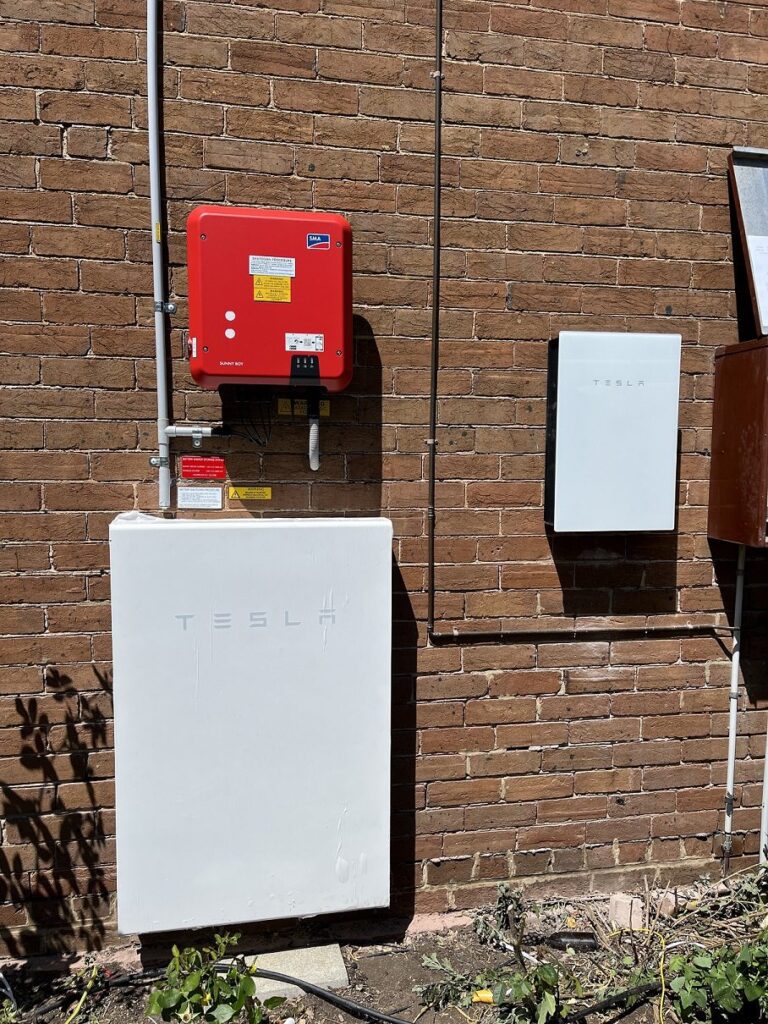
As Sydney continues to embrace clean energy solutions, more homeowners and businesses are investing in solar battery storage systems to make the most of their solar panels. However, maintaining these batteries is just as important as installing them. Proper care can significantly extend battery life, enhance efficiency, and ensure you get the best value from your investment. At Opera Solar Energy, a trusted provider of solar battery storage in Sydney, we’ve compiled essential tips to help you maximise your battery’s lifespan and performance. 1. Store Batteries in Ideal Conditions Temperature plays a key role in battery health. Solar batteries perform best in cool, dry, and well-ventilated environments. Sydney’s summers can get quite warm, so keeping your batteries in shaded or insulated spaces helps prevent overheating. Extreme temperatures can shorten the lifespan of your solar battery storage system, so it’s vital to maintain optimal conditions year-round. 2. Monitor Battery Performance Regularly Modern solar systems include smart monitoring tools that let you track energy generation, storage levels, and overall battery performance. By checking these regularly, you can detect issues early, such as reduced storage capacity or abnormal charging cycles. At Opera Solar Energy, we offer monitoring solutions with all our solar battery packages, allowing Sydney homeowners to manage their systems effortlessly. 3. Avoid Deep Discharges Allowing a battery to discharge completely before recharging can lead to premature wear. Most solar batteries operate best when their charge never drops below 20–30%. Setting your system to maintain this state of charge (SOC) ensures consistent performance and helps preserve the health of your solar battery storage unit over time. 4. Keep Terminals Clean and Connections Secure Over time, corrosion or dust can accumulate on battery terminals, disrupting power flow. Regularly cleaning terminals with a dry cloth and checking for loose connections can help maintain efficiency. Always power down your system before performing maintenance, or contact the Opera Solar Energy Sydney team for professional servicing to ensure safety and accuracy. 5. Schedule Professional Maintenance Even if your system seems to be working fine, professional inspections are essential. Certified technicians can evaluate your inverter, cabling, and battery health, ensuring everything runs smoothly. Opera Solar Energy provides maintenance plans and solar battery packages that include annual servicing, so your investment remains in top shape for years. 6. Keep Software Updated Many solar battery storage systems in Sydney are equipped with smart software that optimises charging and discharging cycles. Manufacturers often release firmware updates that improve performance and safety. Staying updated ensures you benefit from the latest advancements in solar technology. 7. Optimise Energy Usage Maximise your solar storage by using high-energy appliances—like washing machines or air conditioners—during daylight hours when your panels generate the most power. This reduces strain on your battery and boosts its efficiency. Conclusion Maintaining your solar battery storage in Sydney ensures long-lasting performance, reduced costs, and a more sustainable home. Whether you’re looking for new solar battery packages, professional servicing, or upgrades, Opera Solar Energy Sydney offers reliable, high-performance solutions tailored to your needs. Claim Solar Battery Rebate
Are Solar Batteries Safe? What Australian Standards Say

As more households in New South Wales shift towards clean energy, one common question arises: “Are solar batteries safe?” With rising demand for solar battery storage in Sydney, safety is a top priority for both homeowners and businesses. The good news is that Australia has some of the strictest solar standards in the world, ensuring that your investment in solar power remains both efficient and secure. Why Safety Matters in Solar Battery Storage Solar batteries allow you to store excess energy generated during the day for use at night or during blackouts. However, like any energy storage system, safety is critical. Without proper installation, there can be risks such as overheating, fire hazards, or reduced system performance. This is why working with professional solar battery installers in Sydney is essential—they ensure compliance with Australian safety regulations and manufacturer guidelines. Australian Standards for Solar Batteries Australia’s renewable energy sector is governed by strict codes and standards designed to keep homes and businesses safe. Key safety standards include: By following these regulations, solar battery storage in Sydney is both safe and reliable when installed by qualified professionals. How Modern Solar Batteries Are Made Safer Today’s leading solar batteries use Lithium Iron Phosphate (LiFePO4) technology, which is more stable and less prone to overheating than older lithium-ion chemistries. Additional built-in safety features include: When combined with correct installation practices, these features make solar batteries one of the safest energy storage solutions for Australian homes. Why Choose Trusted Solar Battery Installers in Sydney? Installing a solar battery is not a DIY project. Partnering with expert solar battery installers in Sydney ensures: Whether you’re a homeowner looking to reduce bills or a business aiming for energy independence, professional installation guarantees both safety and efficiency. Final Verdict: Are Solar Batteries Safe? Yes—solar batteries are safe in Australia when installed by accredited professionals and compliant with national standards. With proper installation and regular maintenance, you can enjoy clean, reliable energy storage without compromising on safety. If you’re considering making the switch, Opera Solar Energy is here to help with reliable solar battery storage in Sydney and fully accredited installation services tailored to your energy needs.
How to Save Big with Australia’s Cheaper Home Batteries Program – Opera Solar Energy Guide
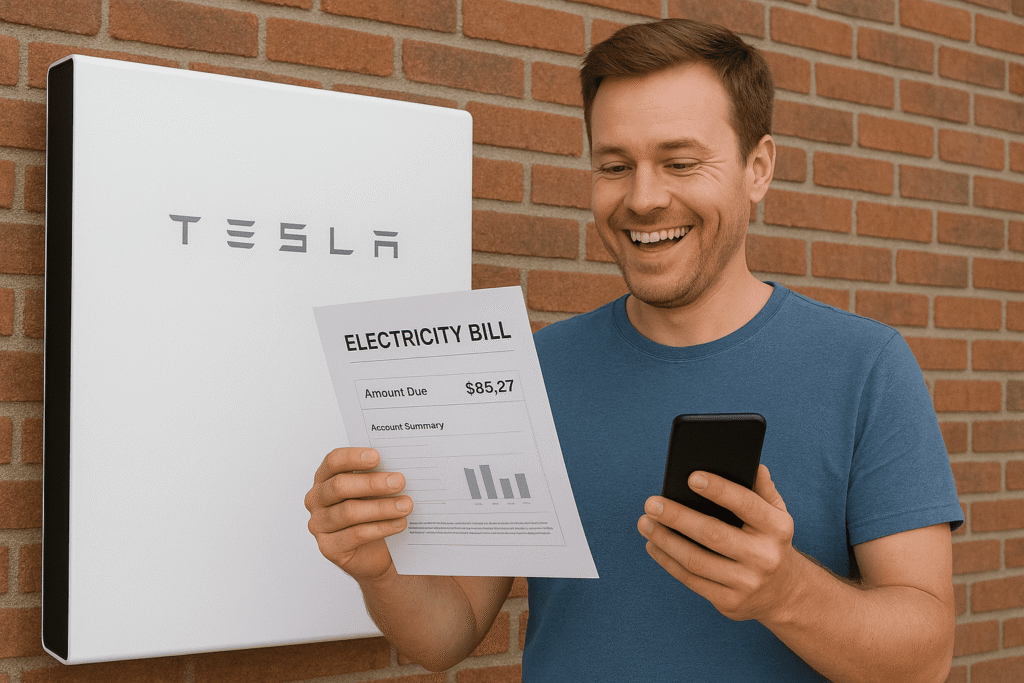
If you’ve been waiting for the right time to invest in solar battery installation in Sydney, Australia, the wait is over.From 1st July 2025, the Australian Government’s Cheaper Home Batteries Program (CHBP) will help households slash the cost of green energy storage — making it easier than ever to store excess solar energy and cut down electricity bills. What is the Cheaper Home Batteries Program (CHBP)? The CHBP is a $2.3 billion federal initiative designed to encourage Australians to install small-scale solar battery systems at home.By offering rebates, the program aims to: The best part? Almost every homeowner in Australia is eligible. How the CHBP Subsidy Works Under the program, homeowners can receive up to 30% rebate on the cost of installing a solar battery system (up to 100kWh capacity). Example: Step-by-Step: How to Claim Your CHBP Rebate Triple Your Savings with Combined Rebates Why settle for just one rebate when you could claim three?Here’s how you can stack incentives to get the most from your solar battery installation in Sydney or anywhere in Australia. 1. Federal CHBP Rebate 2. State Incentives Note: Some state rebates require participation in a VPP program. 3. Solar Small-Scale Technology Certificates (STCs) Rebate Savings Example Location: Western AustraliaSystem: 10kW solar panels + Anker SOLIX X1 10kWh Energy Storage System Savings: Total Savings: $7,892 Why Choose Opera Solar Energy? At Opera Solar Energy, we make your solar journey simple, affordable, and future-ready.Here’s why Sydney homeowners choose us for solar battery installation: Switch to a cleaner, smarter, and more cost-effective energy future.Get your free quote today and start saving with the Cheaper Home Batteries Program before rebates drop.
One Month In: Sydney Homeowners Power Ahead with Cheaper Solar Batteries & Rebates

The New Battery Rebate Driving Solar AdoptionFrom July 1, 2025, solar batteries became eligible under Australia’s Small-scale Renewable Energy Scheme (SRES). This change allows households and businesses to claim a rebate that effectively reduces the upfront cost of a solar battery by around 30%. For Sydney residents, this is a game-changing opportunity to invest in affordable and efficient energy storage. Strong Uptake Across AustraliaIn just the first month, Australians have installed 19,592 solar batteries, delivering a combined nominal capacity of 356.6 MWh. The average system size is 18.2 kWh — enough to store excess daytime solar power for use at night, reducing grid reliance and electricity bills. These figures represent installations that have claimed or had Small-scale Technology Certificates (STCs) approved by the Clean Energy Regulator (CER). Why Sydney is Leading the ChargeWith rising electricity prices and an increasing focus on renewable energy, Sydney homeowners are quickly realising the benefits of combining rooftop solar with battery storage. By working with trusted solar battery installers in Sydney like Opera Solar Energy, households can take advantage of the new battery rebate while ensuring their system is expertly designed for maximum performance. Cheap Solar Battery Without CompromiseWhile the rebate makes a cheap solar battery more accessible, quality still matters. Opera Solar Energy partners with leading battery brands – Sigenergy, Anker SOLIX, Tesla Powerwall 3, Alpha ESS, ESY Battery, and Sungrow Battery, ensuring long-term reliability, safety, and efficiency. A well-installed solar system allows you to store surplus energy, reduce your carbon footprint, and prepare for future energy demands. Act Now to Maximise Your SavingsWith thousands already benefiting from the scheme, demand for installations is expected to grow. If you’re in Sydney and considering a solar battery, now is the ideal time to act. Contact Opera Solar Energy today — your local experts in solar battery installations in Sydney — to secure your rebate, cut energy costs, and take control of your home’s energy future.