
When exploring how to maximise the return on a home battery investment, understanding how a virtual power plant Australia network operates is absolutely essential. A virtual power plant, or VPP, is a network of connected home solar and battery systems that operate together. Energy retailers draw a small amount of stored power from these residential batteries during grid shortages, financially rewarding the homeowner through sign up bonuses, higher feed in tariffs, or direct bill credits.
Key Takeaways for Virtual Power Plants in 2026:
The Australian energy infrastructure is changing at a rapid pace. As more coal fired power stations retire, the national electricity grid relies heavily on renewable energy. We have an abundance of solar power flooding the grid during the middle of the day. However, when the sun goes down and families turn on their air conditioners and ovens, the grid faces massive spikes in demand.
To solve this evening peak demand problem, energy providers are turning to suburban homeowners. If you own a solar battery, you have highly valuable stored energy sitting in your garage. A Virtual Power Plant connects hundreds or thousands of these individual home batteries using smart software.
Instead of building a massive, expensive centralized battery facility, the energy retailer creates a virtual power plant. They link your battery with your neighbours batteries over the internet. When the street grid desperately needs power, the retailer can briefly tap into this massive decentralized network. They draw a small amount of electricity from everyone at the exact same time to stabilize the grid. In exchange for sharing your stored energy, the retailer pays you a financial premium.

Understanding the mechanics behind these networks is crucial before you sign any contracts. You need to know exactly how much control you are handing over to the energy retailer. Fortunately, the technology is highly advanced and designed specifically to protect your household energy security first and foremost.
The Role of Your Home Battery
Your home battery acts as the physical storage vault for the network. During the day, your rooftop solar panels generate free electricity. Your home uses what it needs, and any excess solar power is directed straight into your battery.
To join a network, your battery must have an active internet connection. The energy retailer installs a small piece of smart software that talks directly to your battery inverter. This software monitors your battery charge level, your household consumption habits, and the current wholesale price of electricity on the national market. Your battery essentially becomes a smart asset that buys, stores, and sells electricity automatically based on grid demands.
Grid Events and Power Sharing
The core function of the network revolves around grid events. A grid event typically occurs on a very hot summer afternoon or a freezing winter morning when the whole state is using high amounts of electricity. When the grid operator signals a shortage, your VPP provider triggers an event.
During this event, the retailer will temporarily take control of your battery. They will command your system to discharge a specific amount of stored energy back into the street grid. You get paid a premium rate for every kilowatt hour you export during this critical window.
It is vital to know that the software is programmed to protect your home. Providers always leave a backup reserve inside your battery. Major retailers generally cap their drawdown at 20 percent capacity. This ensures that if a neighborhood blackout occurs immediately after a grid event, you still have enough stored power to keep your fridge running and your lights on.
Storm Protection: The Hidden Advantage
A common fear among homeowners is that a grid event will drain their battery right before a major blackout occurs. However, advanced networks actually offer incredible storm protection capabilities that keep the lights on when others go dark.
Platforms like Amber SmartShift integrate directly with severe weather warnings from the Bureau of Meteorology. When a major storm approaches your suburb, the smart software automatically suspends all export events. It then force charges your battery to 100 percent capacity using power from the grid. This hidden advantage ensures you have absolute maximum backup resilience to survive prolonged weather related outages.
Choosing the right network provider depends entirely on how you want to be rewarded. The Australian market is currently split into two very distinct operational models. You must choose between the predictable safety of a traditional model or the high earning potential of a wholesale model.
Traditional networks are run by massive energy retailers like AGL, Origin Energy, and ENGIE. These programs are incredibly simple. They offer fixed financial rewards that are very easy to calculate. You might receive a guaranteed sign up bonus of a few hundred dollars, plus a flat rate credit applied to your electricity bill every time your battery participates in a grid event. You know exactly what you will earn, but your earnings are usually capped at a specific maximum amount per year.
The wholesale model operates completely differently. Amber Electric and their SmartShift platform dominate this space. Instead of paying you a fixed flat rate, Amber gives your battery direct access to the real time wholesale electricity market. The wholesale price of electricity changes every five minutes based on national supply and demand.
With Amber SmartShift, your battery software acts like an automated stockbroker. It buys grid power when prices drop into the negative, and it forcefully exports your stored solar power when grid prices spike to incredible highs. While traditional networks might pay you 50 cents per kilowatt hour during an event, the wholesale model allows you to earn exponentially more during extreme market spikes. However, the wholesale market is volatile, meaning your financial returns will fluctuate from month to month.
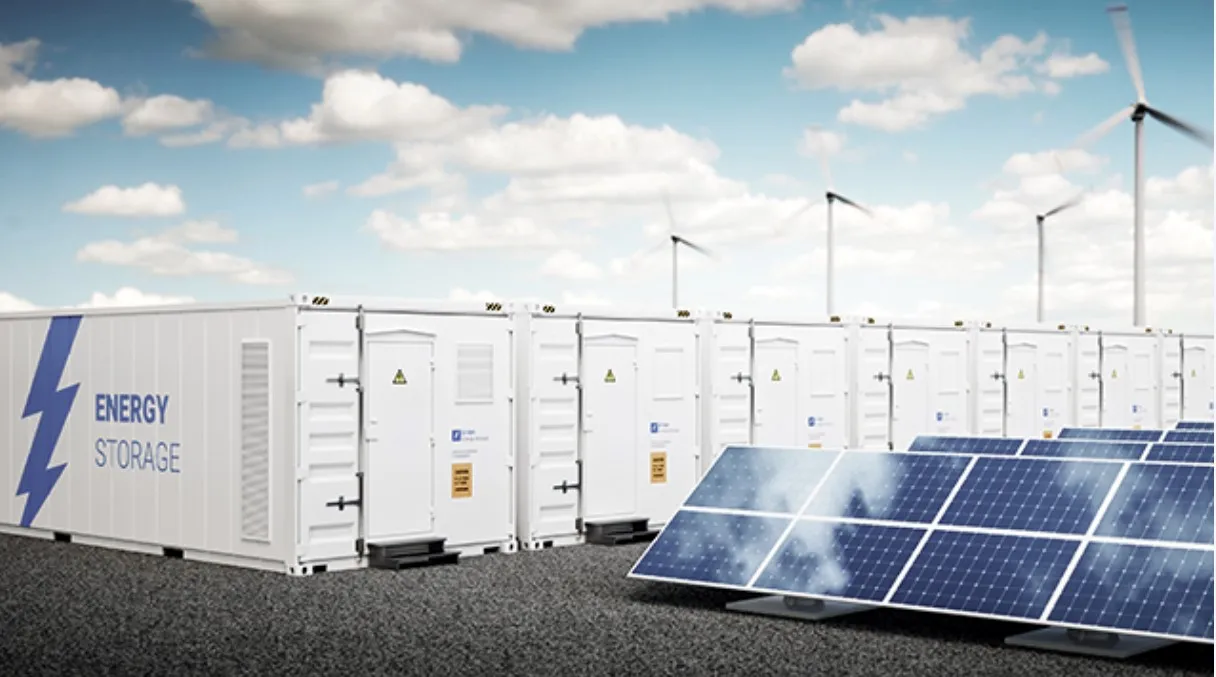
If you live in New South Wales, the financial mathematics of buying a home battery have never looked better. The NSW Government recently expanded its Peak Demand Reduction Scheme (PDRS) to specifically target and reward residential battery owners who help support the local grid.
To truly maximize your savings, you must understand how this specific incentive works. The NSW scheme is structured into two completely distinct layers of funding.
The first layer is officially known as BESS1. This provides an upfront hardware discount simply for buying and installing an eligible battery up to 28 kilowatt hours in size.
The second layer is known as BESS2. This is a completely separate financial incentive strictly reserved for households that connect their new battery to an approved Virtual Power Plant. Understanding this two part structure explains exactly why joining a network is so financially powerful. It allows you to double dip on the state rebates, unlocking thousands of dollars in additional upfront funding that drops your final installation quote dramatically.
The market is highly competitive. Energy retailers are desperate to gain access to your stored power, which means you can shop around for the absolute best deal. Here is an objective comparison of the top tier providers currently operating in Australia.
AGL and Origin are the two heavyweights of the traditional retail market. Their programs are designed for homeowners who want a completely hands off, set and forget experience.
The AGL Virtual Power Plant usually offers a solid upfront sign up credit, followed by ongoing bill credits paid out quarterly or annually. AGL is highly transparent about their battery reserve limits, strictly capping the number of grid events they will trigger each year. This protects your battery from excessive wear and tear.
Origin Loop operates on a very similar framework. Origin offers competitive sign up bonuses and high battery feed in tariffs. This means you are paid a specific premium rate for every unit of energy drawn during a peak event. Origin Loop is highly regarded for its user friendly smartphone app, which allows you to easily track exactly how much money your battery is generating for your household. Both AGL and Origin require you to switch your retail electricity billing to their respective plans.
For homeowners who want maximum financial upside, the wholesale linked models are the superior choice.
Amber SmartShift is widely considered the most advanced platform on the market. By passing through real time wholesale prices, Amber empowers your battery to perform highly lucrative energy arbitrage. You buy power when it is cheap and sell it when it is expensive. While you do pay a monthly subscription fee to use the Amber platform, the ability to capitalize on extreme price spikes makes this the highest yielding option for tech savvy households.
Discover Energy operates a unique hybrid model. They offer higher event export credits than the traditional big retailers, combined with a profit sharing mechanism. Discover Energy provides excellent transparency, giving homeowners the ability to set specific opt out limits if they want to pause their battery participation during certain weeks of the year.
ENGIE is another massive player in the traditional retail space. Formerly operating under the Simply Energy brand, ENGIE runs a highly popular and reliable program. They offer generous sign up credits and competitive ongoing feed in tariffs. Their model is incredibly user friendly, making it a perfect fit for households wanting predictable quarterly returns without the stress of managing wholesale price fluctuations.
EnergyAustralia offers a program called Battery Ease. They focus heavily on simplicity and strict battery health. EnergyAustralia clearly states their minimum battery reserve policies, ensuring they never drain your battery below their designated backup threshold. Their fixed credits are easy to understand, although their mobile app functionality is less robust than their major competitors.
GloBird Energy is a fantastic alternative provider operating across the eastern states. Their network rewards often feature high daily standing credits simply for making your battery available to the grid, regardless of whether a grid event actually occurs. This provides highly predictable monthly revenue.
Diamond Energy operates the WATTBANK program. This is a highly ethical, green focused retailer that offers ongoing access credits and specific night time export bonuses. They are a brilliant option for homeowners who want to support renewable energy without being locked into complex contracts.
Shinehub operates a slightly different model. They are a retailer independent platform. This means you can join the Shinehub network without being forced to switch your electricity retailer. They pay a fixed credit per event, but you generally need to have purchased your solar and battery hardware directly through the Shinehub installation network to qualify.
For homeowners in Western Australia, Synergy Battery Rewards is the dominant player on the western grid. Participation in the Synergy network is often mandatory if you wish to claim specific WA state residential battery rebates. They offer structured event credits and offset payments to ensure households are never left out of pocket after a discharge event.
Like any financial arrangement, sharing your stored power comes with distinct advantages and distinct trade offs. As an objective energy advisor, we believe you must weigh these carefully before signing a contract.
The primary advantage is vastly accelerated financial payback. By monetizing your excess stored energy, you can shave several years off the time it takes for your battery to pay for itself. Secondly, you are actively supporting your local community. By exporting clean power during peak demand, you help prevent neighborhood blackouts and reduce the need for dirty coal power stations to fire up.
However, there are clear downsides. The most prominent concern is battery degradation. Every time your battery charges and discharges, it completes a cycle. Lithium ion batteries degrade slightly over thousands of cycles. Joining a network means your battery will cycle more frequently, potentially reducing its overall lifespan by a small fraction. Furthermore, you must accept a temporary loss of control. During a grid event, the retailer decides what your battery does. If you prefer absolute autonomy over your stored power, these programs might frustrate you.
Not all solar batteries are created equal, and not all batteries possess the advanced software required to communicate with the national grid. Before you purchase any hardware, you must ensure it is fully certified for network participation.
Tesla Powerwall remains the absolute gold standard for compatibility. Because Tesla designs both world class hardware and industry leading software, the Powerwall connects seamlessly with almost every major provider, including AGL, Origin, ENGIE, and Amber.
Other highly compatible top tier brands include Sigenergy and GoodWe. These manufacturers have invested heavily in smart inverter technology, making their hybrid systems incredibly easy to integrate with wholesale market platforms. Emerging brands like Fox ESS and ESY Sunhome are also rapidly expanding their software capabilities to ensure full compliance with Australian network standards.
A frequent and highly important question we hear is whether joining a network will void your battery warranty. You must understand how modern warranties operate.
Premium manufacturers like Tesla, GoodWe, and Sigenergy structure their warranties based on energy throughput. This metric measures the total amount of energy cycled through the battery over its lifetime, rather than just measuring chronological years. Because participating in grid events increases your daily cycling, you will naturally consume your throughput allowance faster.
A trusted solar advisor will always help you run the math before you sign up. The ultimate goal is to ensure your expected network earnings far outweigh any potential reductions in your warranty lifespan, keeping your household highly profitable in the long term.
The ultimate question for any homeowner is whether the financial math actually makes sense. To determine this, we frame the investment as a Bill Swap strategy.
Right now, you pay a massive electricity bill to a corporate retailer every quarter. That money is gone forever. When you finance a solar and battery system, you swap that endless power bill for a fixed hardware repayment.
Without joining a power sharing network, a standard home battery typically takes between seven to nine years to completely pay for itself through daily solar savings. However, when you add the upfront state incentives, the sign up bonuses, and the ongoing event credits provided by a network, that payback period drops sharply.
A highly optimized system operating on a platform like Amber SmartShift can easily reduce the battery payback period down to five or six years. Once the hardware is paid off, the battery continues to generate highly cost effective revenue for your household for the remainder of its lifespan. It is a brilliant strategy that turns your roof into a decentralized revenue generator.
Yes. For the vast majority of suburban homeowners, joining a network is absolutely worth it. It provides a secondary revenue stream that drastically improves the return on investment for your expensive battery hardware. As long as you choose a provider with fair terms and clear battery reserve limits, the financial benefits heavily outweigh the minor inconveniences.
The two main downsides are increased battery wear and a temporary loss of control. Participating in grid events means your battery will cycle more frequently, which can slightly accelerate natural lithium degradation. Additionally, during a grid event, the retailer dictates how your power is used, meaning you cannot stop the export unless you manually opt out of the program for that specific day.
There is no single best provider, as it depends entirely on your risk tolerance. If you want high potential earnings and do not mind fluctuating wholesale prices, Amber SmartShift is the best choice. If you prefer absolute safety, guaranteed fixed credits, and a set and forget experience, the AGL, ENGIE, or Origin networks are your best options.
Yes. Joining a power sharing network does not cancel your standard solar feed in tariff. You will still receive your normal daily credit for any excess daytime solar power your panels send to the grid. The network payments act as a bonus layer of revenue on top of your standard feed in tariff.
You estimate this by calculating the total annual value of the network credits against your total system cost. Most traditional networks offer between 200 to 400 dollars in annual value. You simply subtract this annual revenue from your yearly battery finance costs to see exactly how many months you shave off your final payback date.
The market is dominated by highly advanced smart batteries. The most widely accepted brands include the Tesla Powerwall, Sigenergy, GoodWe, ESY Sunhome, and Fox ESS. These manufacturers build robust software interfaces that allow their hardware to communicate seamlessly with Australian energy retailers.
Most modern programs have completely removed lock in contracts. You can generally leave the network at any time without paying a financial exit fee. However, if you received a massive upfront discount on your hardware installation specifically for joining the network, leaving the program early may trigger a pro rata clawback clause where you must repay a portion of that initial discount.
An event is triggered when the state grid experiences a critical shortage of power. The retailer sends a digital signal to your battery to discharge a specific amount of energy. The frequency of these events depends on your provider and your location. Some traditional networks cap events at 15 to 30 times a year. Wholesale models like Amber may trigger micro events multiple times a week based on spot price fluctuations.
The vast majority of traditional providers pay you in the form of electricity bill credits. These credits are applied directly to your quarterly statement to wipe out your remaining grid charges. Wholesale providers like Amber use a real time billing system where your exports actively offset your imports, drastically lowering your monthly direct debit amount.
In most cases, yes. Providers like AGL, Origin, ENGIE, and Amber require you to switch your retail electricity billing to their specific plans so they can seamlessly integrate your network credits. However, there are a few independent programs like Shinehub that allow you to bring your own battery while keeping your current electricity retailer.
Yes. If you installed a compatible solar battery a few years ago, you can absolutely join a network today. You simply need to contact a provider, verify that your inverter software is up to date, and agree to their terms. Your existing hardware can start generating network revenue immediately.
From a pure maximum earning potential perspective, Amber SmartShift pays the most. Because they pass through real time wholesale spot prices, a battery owner can earn significantly higher rates per kilowatt hour during rare, extreme market spikes. Traditional fixed rate providers simply cannot match those peak wholesale payouts.
Absolutely. With state governments stepping in to offer massive peak demand reduction incentives, and wholesale electricity volatility increasing, the financial case for joining a power sharing network in 2026 is stronger than ever. It is the smartest way to future proof your home and monetize your stored energy.
As the Australian energy grid continues its massive transition toward renewable power, residential batteries are no longer just backup devices. They are active, highly valuable assets that support the stability of the entire neighborhood. If you are investing thousands of dollars into a premium home energy storage system, leaving that battery disconnected from a smart network is simply leaving money on the table.
By joining a Virtual Power Plant, you take total control of your energy payback timeline. Whether you opt for the secure, predictable bill credits offered by traditional retailers, or the lucrative, high yielding wholesale approach provided by modern fintech platforms, the result is exactly the same. You drastically reduce your household energy costs while actively helping Australia transition to a cleaner, more reliable power grid.
If you are ready to explore exactly how much your roof can earn, it is time to take action. Contact a trusted, objective energy strategist today to design a custom solar and battery package that perfectly aligns with the most lucrative Virtual Power Plant programs operating in your state.